
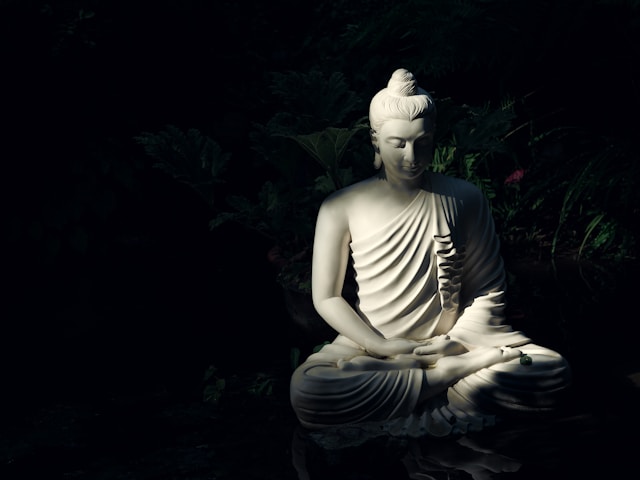
Anapanasati meditation, the Buddha’s detailed method of mindfulness of breathing, represents one of the most direct and profound paths to mental clarity and inner peace. This practice, which the Buddha himself used to attain enlightenment, offers a systematic approach to developing mindfulness through attention to the breath. As the Buddha taught in the Anapanasati Sutta: “When mindfulness of breathing is developed and cultivated, it is of great fruit and great benefit.”
What Is Anapanasati?
Anapanasati combines two Pali words: ‘anapana’ (breathing) and ‘sati’ (mindfulness). This meditation technique uses the natural breath as a focal point for developing awareness, concentration, and insight. The contemporary meditation master Thich Nhat Hanh describes it beautifully: “Breath is the bridge which connects life to consciousness, which unites your body to your thoughts.”
The Foundation Practice
Before beginning Anapanasati:
- Setting Up
- Find a quiet, comfortable space
- Establish a stable sitting posture
- Keep your spine straight but relaxed
- Rest your hands in your lap or on your knees
- Lower your eyes or close them gently
- Initial Settling
- Take a few deeper breaths to settle
- Let your breathing return to its natural rhythm
- Allow your body to become still
- Establish a sense of presence
The Core Practice
Anapanasati develops through four tetrads (sets of four), though beginners typically focus on the first tetrad:
First Tetrad: Body Contemplation
- Long Breath
- Notice when the breath is long
- Observe without controlling
- Feel the full duration of each breath
- Allow natural breathing patterns
- Short Breath
- Notice when the breath is short
- Maintain the same gentle attention
- Avoid judging or preferring any pattern
- Simply know the breath as it is
- Experiencing the Whole Body
- Expand awareness to include the entire body
- Feel how breathing affects the whole body
- Notice the relationship between breath and body
- Maintain continuous awareness
- Calming Bodily Formation
- Allow the body to settle naturally
- Notice how the breath becomes subtle
- Experience increasing tranquility
- Maintain clear awareness as calm deepens
As the renowned meditation teacher Ajahn Chah advised: “Just know the breath. Don’t try to make it long or short, weak or strong. Simply experience it as it is. Everything else will follow.”
Common Challenges and Solutions
- Wandering Mind
- Gently return attention to the breath
- Use mental noting if helpful
- Don’t judge yourself for distraction
- Consider counting breaths initially
- Physical Discomfort
- Adjust posture mindfully
- Use appropriate supports
- Start with shorter sessions
- Build sitting time gradually
- Sleepiness
- Open eyes slightly
- Straighten posture
- Practice at alert times
- Increase environmental light
- Finding the Breath
- Start with obvious breath sensations
- Use the tip of the nose or abdomen
- Stay with clear points of contact
- Let awareness sharpen naturally
Deepening the Practice
As your practice develops:
- Increasing Subtlety
- Notice finer breath sensations
- Observe beginning, middle, and end of each breath
- Perceive gaps between breaths
- Allow awareness to become more refined
- Developing Concentration
- Maintain continuous attention
- Let distractions fade naturally
- Experience increasing stability
- Notice signs of deepening practice
- Cultivating Insight
- Observe changing nature of breath
- Notice interconnection of breath and mind
- See how attention affects experience
- Allow natural insights to arise
The contemporary teacher Joseph Goldstein notes: “The beauty of breath meditation is its simplicity and completeness. Everything we need to understand can be found right here in this simple practice.”
Signs of Progress
While avoiding attachment to specific experiences, positive signs include:
- Increased ease in maintaining attention
- Greater awareness of subtle sensations
- Natural calming of body and mind
- Reduced reactivity to distractions
- Growing sense of peace and clarity

Supporting Your Practice
To maintain and deepen your Anapanasati practice:
- Regular Schedule
- Establish consistent practice times
- Create a dedicated meditation space
- Build gradually from shorter sessions
- Mindful Living
- Maintain breath awareness in daily life
- Use natural pauses for mini-practices
- Connect with breath during activities
- Continuous Learning
- Study traditional texts
- Learn from experienced teachers
- Attend retreats when possible
Advanced Aspects
As practice matures:
- Exploring Later Tetrads
- Work with feelings and mind states
- Observe impermanence
- Develop deeper insights
- Move toward liberation
- Integration
- Combine with other practices
- Apply in daily situations
- Let it inform all activities
- Subtle Dimensions
- Notice energy movements
- Observe mental formations
- Explore consciousness itself
Benefits of Regular Practice
Research and traditional teachings indicate Anapanasati can:
- Mental Benefits
- Improve concentration
- Reduce stress and anxiety
- Enhance emotional regulation
- Increase mental clarity
- Physical Benefits
- Lower blood pressure
- Improve sleep quality
- Reduce tension
- Enhance body awareness
- Spiritual Benefits
- Deepen self-understanding
- Develop wisdom
- Cultivate inner peace
- Progress toward liberation
Practical Tips for Success
- Start Simply
- Begin with short sessions
- Focus on basic awareness
- Build foundation slowly
- Maintain regular practice
- Be Patient
- Allow natural development
- Avoid forcing experiences
- Trust the process
- Celebrate small progress
- Stay Balanced
- Don’t strain or struggle
- Maintain gentle attention
- Balance effort and ease
- Keep practice sustainable
Remember that Anapanasati is a journey of discovery, not a race to reach specific experiences. As the meditation master Ajahn Sumedho teaches: “The breath is like a friend who is always there, waiting to help us return to the present moment.”
Practice with patience, curiosity, and gentleness. Let each breath be an opportunity to develop greater awareness and understanding, knowing that this simple practice contains within it the potential for profound transformation.